


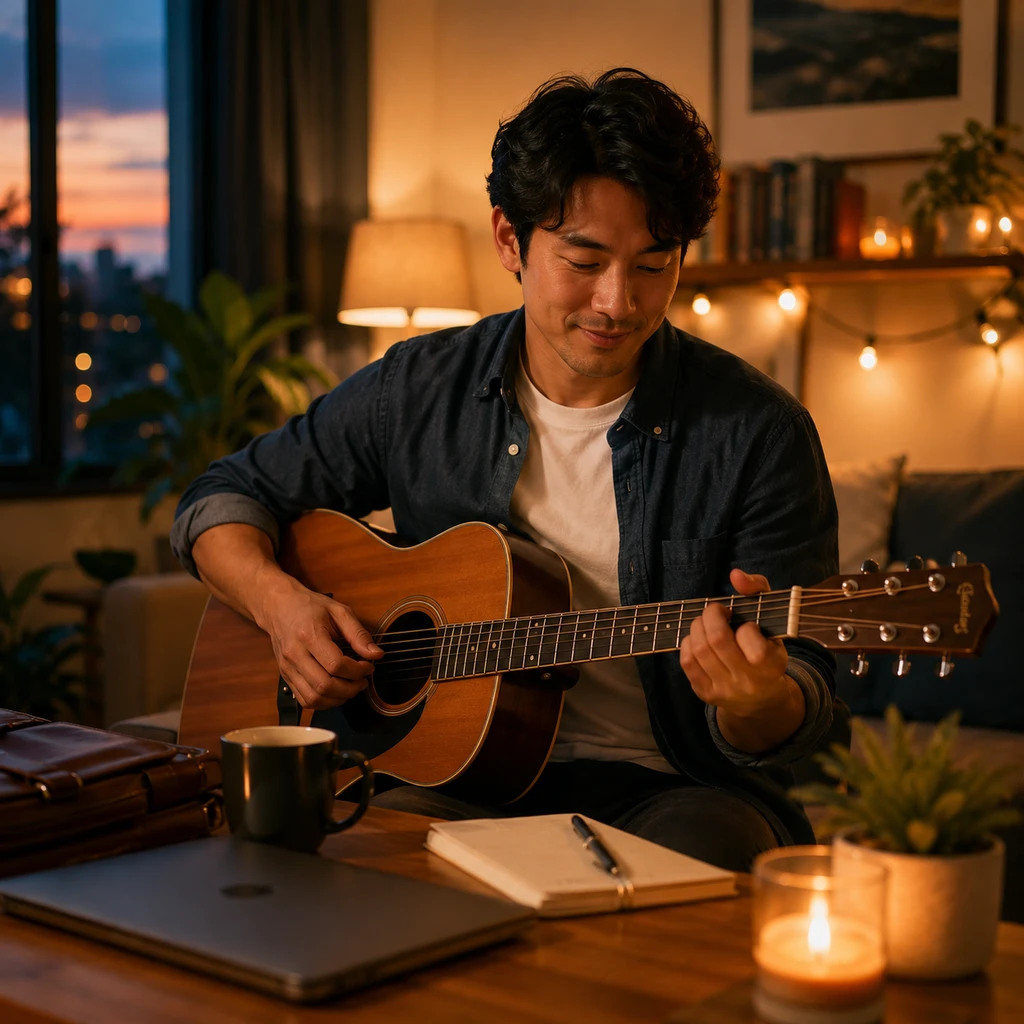
Many adults think music lessons are only for children, but that is not true. Music can be learned and enjoyed at any age. Whether someone is 25, 45, 65 or older, learning music can bring creativity, relaxation and personal growth into everyday life.
For adults, music lessons are not just about playing the right notes. They are about discovering a new skill, building confidence and creating a meaningful connection with sound. A music academy can provide the structure, support and motivation adults need to begin this journey with confidence.
Learning music as an adult is not about starting late. It is about finally giving yourself the chance to enjoy something meaningful.
Why Adults Should Consider Music Lessons
Adult life can be busy. Work, family, responsibilities and daily routines often leave little space for creativity. Music lessons give adults a healthy and enjoyable way to step away from stress and focus on something personal.
Learning piano, guitar, violin, ukulele, handpan, voice or flute recorder can become a relaxing part of the week. It gives the mind a creative break while still building discipline, focus and patience.
Main Benefits of Learning Music as an Adult
- Reduces stress and supports emotional balance
- Improves focus, memory and concentration
- Builds confidence through steady progress
- Encourages creativity and self-expression
- Creates a meaningful hobby outside work
- Helps adults connect with music on a deeper level
Music Helps Adults Reduce Stress
Music has a calming effect on many people. When adults practice an instrument or take voice lessons, they focus on sound, rhythm and movement. This can help quiet the mind and reduce the pressure of daily life.
Even a short music practice session can feel refreshing. Playing a simple melody, singing a favourite song or learning a new rhythm can help adults feel more present and relaxed.
A Creative Break from Daily Routine
Many adults spend most of their day using logic, planning and problem-solving. Music activates a different side of the mind. It brings emotion, imagination and creativity back into the routine.
Music gives adults a space to slow down, breathe and reconnect with their creative side.
Learning Music Builds Confidence
Starting something new as an adult can feel uncomfortable at first. Many people worry that they are too old, too busy or not talented enough. But music learning is not about perfection. It is about progress.
Every small achievement matters. Learning the first chord, playing a short song or improving vocal control can create a real sense of success. Over time, these small wins help adults become more confident in their ability to learn and grow.
How Adults Progress in Music Lessons
- Choose an instrument or music program that matches their interest
- Learn the basic notes, rhythm and technique
- Practice simple songs and exercises
- Build confidence through repetition and guidance
- Explore personal style, creativity and musical expression
Music Supports Memory and Focus
Learning music can also support mental sharpness. Adults need to listen carefully, read notes, remember patterns and coordinate movement. These activities help train attention and memory in an enjoyable way.
Unlike passive hobbies, music is active. It asks the learner to think, listen, move and feel at the same time. This makes music lessons both creative and mentally engaging.
Skills Adults Can Strengthen Through Music
- Listening skills
- Hand-eye coordination
- Memory and pattern recognition
- Patience and consistency
- Emotional expression
- Creative thinking
Choosing the Right Music Program for Adults
The right music program should match the adult learner’s goals. Some adults want to play songs for fun. Some want to sing with more confidence. Others want to return to an instrument they played years ago.
A professional music academy can help adults choose the best path. Lessons can be flexible, encouraging and designed around each student’s pace. This is especially important for adults who may feel nervous about starting.
Popular Music Lessons for Adults
- Piano lessons for beginners and returning students
- Guitar lessons for personal enjoyment or performance
- Voice lessons for confidence and vocal control
- Violin lessons for adults who enjoy classical or expressive music
- Ukulele lessons for a light, fun and beginner-friendly option
- Handpan lessons for relaxation, rhythm and creative expression
Final Thoughts
Adults can benefit from music lessons in many ways. Music supports creativity, emotional well-being, confidence, memory and focus. It also gives adults a meaningful hobby that can bring joy into their daily lives.
It is never too late to begin. With the right teacher, the right program and a supportive music academy, adults can enjoy the process of learning music at their own pace and discover a new creative side of themselves.
FAQ
1. Can adults start music lessons with no experience?
Yes. Many adult students begin with no musical background. A good music teacher can start from the basics and guide each student step by step.
2. What is the best instrument for adult beginners?
Piano, guitar, ukulele and voice are popular choices for adult beginners. The best option depends on personal interest and learning goals.
3. How often should adults take music lessons?
Most adults benefit from one lesson per week, combined with short practice sessions at home.
4. Are music lessons good for stress relief?
Yes. Music can help adults relax, focus and enjoy a creative break from daily responsibilities.
5. Is it too late to learn music after 40 or 50?
No. Adults can learn music at any age. Progress depends more on interest, practice and consistency than age.